
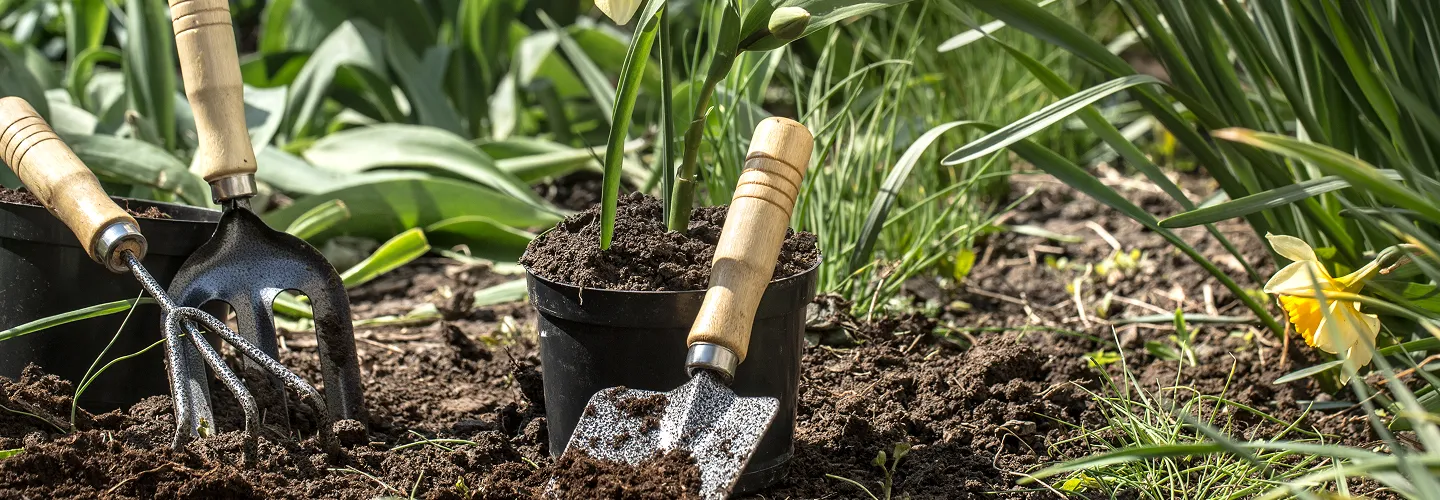
Manvel Hydroseeding Services
Choose our hydroseeding services for a cost-effective, efficient, and environmentally friendly way to achieve a thick, healthy lawn—perfect for homeowners who want beautiful results with less hassle.
Get a Free QuoteOur Manvel Landscaping & Yard Care Services
When to Schedule Hydroseeding in Manvel, Texas – Seasonal Guide
Hydroseeding in Manvel, Texas, is most effective when timed with the region’s unique climate and landscape features. The ideal window typically falls between late February and early May, or again from late September through October, when soil temperatures are warm enough to encourage rapid seed germination but before the peak summer heat or winter frost sets in. Neighborhoods like Rodeo Palms and Lakeland are familiar with the challenges of balancing lush lawns with Manvel’s variable rainfall and occasional drought conditions.
Local environmental factors play a significant role in determining the best time for hydroseeding. For example, areas near Mustang Bayou may experience higher humidity and richer soils, while properties closer to Highway 6 might contend with more compacted ground and less natural shade. It’s also important to consider the city’s average last frost date in early March and the potential for municipal watering restrictions during dry spells. For more information on local regulations and environmental guidelines, visit the Sudbury municipal site.
Local Factors to Consider for Hydroseeding in Manvel
- Tree density and shade coverage, especially in established neighborhoods like Bluewater Lakes
- Soil type and drainage, which can vary between newer developments and older properties
- Seasonal precipitation patterns and drought risk
- Terrain slope and potential for runoff
- Municipal watering schedules or restrictions
- Proximity to natural water sources such as Mustang Bayou
Benefits of Hydroseeding in Manvel
Fast Lawn Establishment
Cost-Effective Landscaping Solution
Erosion Control
Uniform Grass Coverage
Environmentally Friendly Process
Custom Seed Blends Available
Manvel Hydroseeding Types

Residential Lawn Hydroseeding
-
Commercial Property Hydroseeding
-
Erosion Control Hydroseeding
-
Sports Field Hydroseeding
-
Wildflower and Native Grass Hydroseeding
-
Slope Stabilization Hydroseeding
-
Roadside and Highway Hydroseeding
Our Hydroseeding Process
Site Preparation
Soil Conditioning
Hydroseed Application
Watering and Maintenance
Growth Monitoring
Why Choose Manvel Landscape Services
-
Manvel Homeowners Trust Us
-
Expert Lawn Maintenance
-
Reliable Scheduling
-
Competitive Pricing
-
Professional Team
-
Satisfaction Guarantee
-
Personalized Service
Hydroseeding and Manvel’s Expansive Clay Soils: Site Preparation and Soil Health
Hydroseeding in Manvel requires careful consideration of the city’s predominant soil types, notably the Houston Black clay and related Vertisols, which are characterized by high clay content, poor drainage, and a tendency to compact. According to the USDA Web Soil Survey, these soils often exhibit pH values between 7.5 and 8.2 and can develop surface crusting that impedes seed germination. For optimal results, site preparation should include mechanical loosening to a depth of 4-6 inches and the incorporation of 2-3 inches of compost to improve structure and drainage. Soil testing, available through Texas A&M AgriLife Extension, is recommended to determine amendment needs. Key preparation steps include:
- Deep tillage to break up compaction
- Compost incorporation for organic matter
- Lime or sulfur application to adjust pH as needed
- Soil test (15-25 cost) for nutrient recommendations
Seasonal Timing and Weather Considerations for Hydroseeding in Manvel
Manvel’s climate, classified as USDA Hardiness Zone 9a, features hot, humid summers and mild winters, which directly influence hydroseeding success. The optimal window for hydroseeding cool-season grasses is from October 1 to November 15, when soil temperatures range from 65°F to 75°F and rainfall is more consistent. For warm-season grasses, late March through early May is preferred, avoiding the peak summer heat that can cause seedling desiccation. The National Weather Service Houston/Galveston Office provides up-to-date forecasts to guide scheduling. Timing recommendations include:
- Spring seeding: March 20 – May 10 (soil temp 65-75°F)
- Fall seeding: October 1 – November 15
- Avoid June-August due to heat stress
- Monitor rainfall to prevent seed washout
Municipal Coordination and Hydroseeding Compliance in Manvel
Hydroseeding projects in Manvel must comply with city ordinances regarding erosion control, stormwater management, and equipment operation. The city enforces noise restrictions for commercial equipment:
- Monday-Friday: 7:00 AM – 7:00 PM
- Saturday: 8:00 AM – 6:00 PM
- Sunday and holidays: Prohibited Permits may be required for large-scale or public-facing projects, with review times typically 5-10 business days. All hydroseeding activities must prevent sediment runoff into city storm drains, in accordance with Manvel’s MS4 permit under the Clean Water Act. For guidance on compliance and permitting, coordinate with:
Manvel Public Works Department
20031 Morris Avenue, Manvel, TX 77578
Phone: (281) 489-0630
Official Website: Manvel Public Works Department
Environmental Protection and State Regulatory Requirements for Hydroseeding
Hydroseeding in Manvel must adhere to both local and state environmental regulations to protect water quality and sensitive habitats. The Texas Water Code and Texas Commission on Environmental Quality (TCEQ) require that no fertilizer or hydroseeding slurry be applied within 25 feet of wetlands or 50 feet of open water bodies. Silt fencing or straw wattles are mandated on slopes exceeding 5% to prevent runoff. The city’s MS4 permit prohibits any discharge of sediment or chemicals into storm drains. For technical assistance and regulatory updates, consult:
Texas Commission on Environmental Quality
12100 Park 35 Circle, Austin, TX 78753
Phone: (512) 239-1000
Official Website: Texas Commission on Environmental Quality
Professional Standards and Safety Protocols for Hydroseeding Operations in Manvel
All hydroseeding operations in Manvel must follow professional safety and equipment standards. Operators are required to use commercial hydroseeding machines with calibrated nozzles and maintain a 15-foot buffer from overhead utilities. Personal protective equipment (PPE) is mandatory:
- Eye protection: ANSI Z87.1 safety glasses
- Hearing protection: Earmuffs or plugs for 85+ dB
- Footwear: Steel-toed, non-slip boots
- Gloves: Chemical-resistant for slurry handling Equipment must be inspected before each use, and all personnel must be trained in spill response and safe chemical handling. For additional safety guidance and inspection requirements, contact:
Manvel Building and Inspections Department
20031 Morris Avenue, Manvel, TX 77578
Phone: (281) 489-0630
Official Website: Manvel Building and Inspections Department
What Neighborhoods Do We Serve Throughout Manvel, TX?
- Rodeo Palms: Features newer developments with engineered drainage and moderate clay content, requiring careful water management during hydroseeding to prevent runoff.
- Lakeland: Characterized by expansive lots and proximity to detention ponds, necessitating strict buffer compliance and erosion control measures.
- Bluewater Lakes: Includes areas with high water tables and periodic flooding, making soil amendment and timing critical for successful establishment.
- Pomona: Contains a mix of residential and natural open spaces, with HOA guidelines influencing hydroseeding timing and species selection.
- Southfork: Noted for compacted soils from recent construction and limited street access, requiring specialized equipment and soil preparation.
- Del Bello Lakes: Located near conservation areas and wetlands, subject to additional environmental restrictions and buffer requirements.
- Sedona Lakes: Features gently sloping lots and mature landscaping, with a need for careful coordination to avoid disturbance of established vegetation.